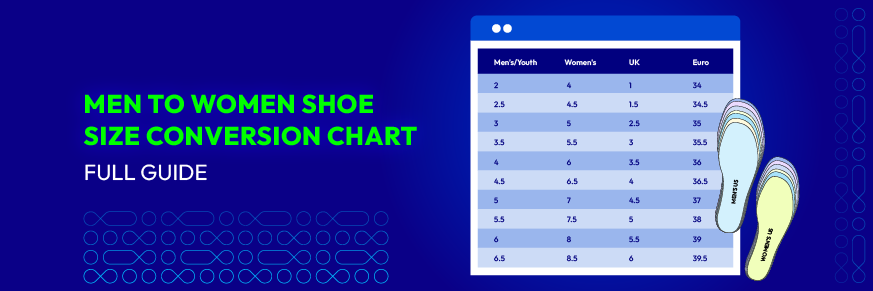
Converting men’s shoe sizes to women’s isn’t always intuitive. While the numbers may appear similar, the sizing systems for men and women differ in length, width, and overall fit. If you’re switching between men’s and women’s footwear — whether for comfort, color options, or unisex sneaker releases — understanding the correct conversion is essential.
This 2026 guide provides:
- The accurate Men → Women conversion chart (US/UK/EU)
- The official size difference formula
- Foot length (cm) comparison
- Brand-specific conversion notes
- Fit and width explanations
- Measurement instructions
- Real-world FAQs based on popular searches
If you’ve ever wondered:
- What is men’s 7 in women’s?
- How do you convert men’s shoe sizes to women’s?
- Why are men’s and women’s sizes different?
- Is EU sizing the same for both?
— This guide covers everything you need.
Why Men’s and Women’s Shoe Sizes Are Different
Men’s and women’s shoes are built using different “lasts” — molds that shape the length, width, arch, and curvature of footwear. These anatomical differences explain why sizes cannot convert directly without adjustments.
Men’s foot structure
- Wider overall
- Larger heel
- Higher interior volume
- Roomier toe box
Women’s foot structure
- Narrower heel
- Tapered forefoot
- Lower interior volume
- More curved arch profile
Because of this, converting from Men → Women is not just about length — width and shape matter too.
Men to Women Shoe Size Conversion Formula
The standard US conversion rule:
Women’s size = Men’s size + 2
Example:
- Men’s 7 → Women’s 9
- Men’s 8 → Women’s 10
- Men’s 9.5 → Women’s 11.5
Some brands use a +1.5 rule, but +2 is the safest and most consistent across US footwear.
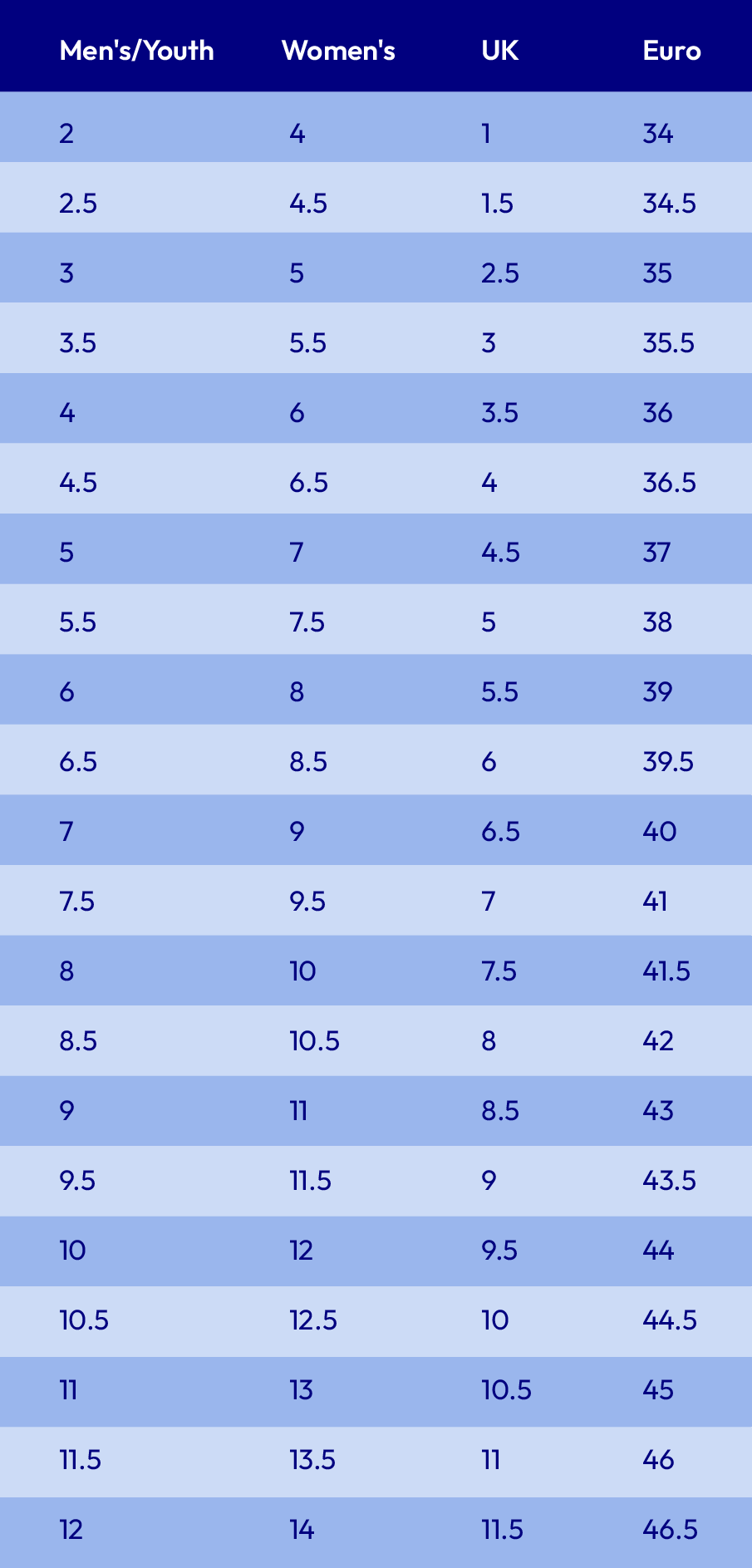
Men to Women Shoe Size Conversion Chart
Here is the most accurate Men → Women conversion chart:
General Rule:
Women’s size = Men’s size + 1.5 to 2
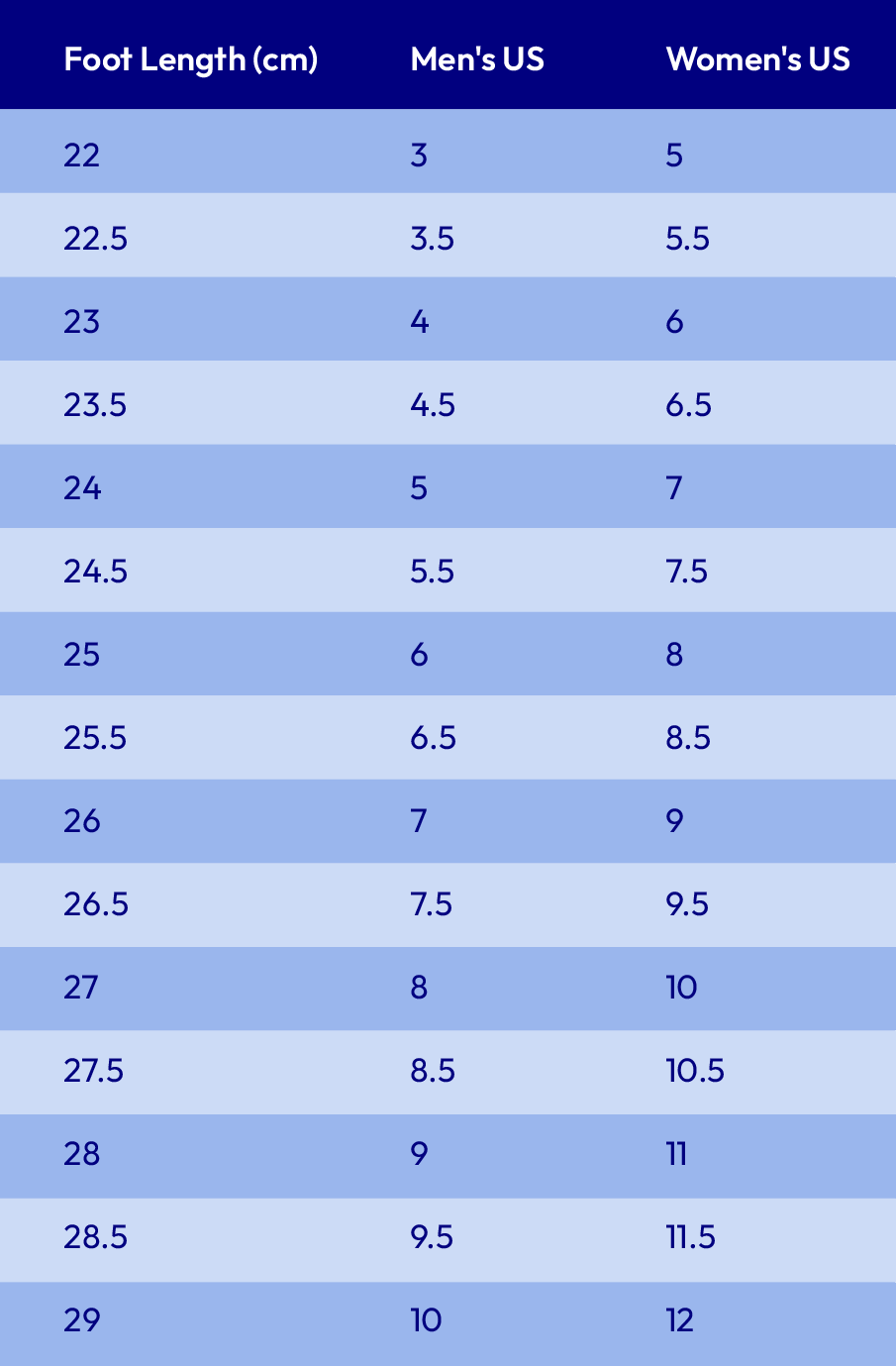
Foot Length (CM) to Men’s & Women’s Shoe Size Conversion
One of the most reliable ways to find your correct size is by using foot length in centimeters.
Why foot length is more accurate than US size numbers:
- Different brands measure sizing differently
- Width varies between genders
- Toe box shape impacts fit
- Accurate cm measurement helps eliminate guesswork — especially for online shopping.
Does EU Shoe Sizing Change Between Men and Women?
A common myth is that EU sizing differs by gender.
Fact: EU shoe sizes are unisex.
- EU 41 in men’s = EU 41 in women’s
- Only width and shoe shape change—not the number
Common Searches: Quick Conversions
These are the most commonly searched queries according to Google Suggest, People Also Ask, and monthly keyword volume:
- Men’s 6 → Women’s 8
- Men’s 7 → Women’s 9
- Men’s 8 → Women’s 10
- Men’s 9 → Women’s 11
- Men’s 10 → Women’s 12
- Men’s 11.5 → Women’s 13.5
- Men’s 12 → Women’s 14
How to Convert Men’s Shoe Size to Women’s (Simple Formula)
The universal conversion is:
Women’s size = Men’s size + 1.5 to 2
The variation depends on the shoe type:
| Category | Conversion |
|---|---|
| Running shoes | +1.5 |
| Lifestyle sneakers | +1.5 to +2 |
| Converse / Vans | +2 |
| Dress shoes | +1.5 |
Examples:
- Men’s 7 → Women’s 8.5–9
- Men’s 8 → Women’s 9.5–10
- Men’s 10 → Women’s 11.5–12
- Men’s 6.5 → Women’s 8
Men to Women Shoe Size Conversion by Brand
Not all brands follow the same fit philosophy. Below are the most accurate conversion tendencies:
Nike (Narrow Fit)
- Runs narrower than average
- Conversion: Men → Women = +1.5
- Jordan, Dunk follow men’s baseline
Example: Men’s 8 → Women’s 9.5
Adidas (Runs Large)
- Superstars and Sambas often run bigger
- Conversion: +1 to +1.5
Example: Men’s 7 → Women’s 8–8.5
Converse (Runs Long)
- Use +2 sizes
- Chuck Taylor is unisex
Example: Men’s 6 → Women’s 8
Vans (True to Size)
- Fits slightly narrow
- Recommended conversion: +1.5 to +2
New Balance (Wide-Friendly)
- Best for wide feet
- Conversion: +1.5
Men vs Women Shoe Width: What Changes?
Width is just as important as length — especially for people with unique foot shapes.
Men’s Width System
- D = Standard
- E = Wide
- EE = Extra Wide
- EEE = Ultra Wide
Women’s Width System
- B = Standard
- D = Wide
- A / AA = Narrow
Useful fit insights:
- Women with wide feet often prefer men’s sizes
- Men with narrow feet sometimes choose women’s running shoes
- Women’s D ≈ Men’s D (almost equal in width)
Why People Convert Men’s to Women’s Shoe Sizes
Switching sizes is extremely common now, especially in sneaker communities.
People convert sizes to access:
- More colorways
- Gender-exclusive drops
- Smaller or larger sizing availability
- Lighter constructions (women’s running shoes)
- Slimmer, more tapered aesthetics
- Unisex categories
How to Measure Your Foot for Accurate Sizing
Improper measurement is one of the most common causes of sizing mistakes.
Step-by-Step Guide
- Stand with your heel against a wall.
- Place a sheet of paper under your foot.
- Mark your longest toe.
- Measure the heel-to-toe distance (cm).
- Compare your measurement to both Men’s and Women’s charts.
- Consider your width for the best fit.
Men to Women Shoe Size Conversion FAQs
How do you convert men’s shoe sizes to women’s?
Add 2 full sizes for the most accurate US conversion.
What is men’s 7 in women’s?
Men’s 7 = Women’s 9.
Are men’s shoes wider than women’s?
Yes — even at the same converted length, men’s shoes have more width and volume.
Do EU shoe sizes change between genders?
No. EU numbers are unisex.
Why does the converted size sometimes feel wrong?
Because brands use different lasts (foot molds). Nike runs narrow, Adidas runs large, Converse runs long.
Can men wear women’s shoes?
Yes — just use the correct conversion and consider width.
What if I’m between two women’s sizes after converting?
Choose based on shoe type:
- Running shoes → size up
- Sneakers → size down or true converted size
- Boots → size up
Does the +2 rule work for all brands?
Mostly yes, but some brands use +1.5.
How do I know my correct size internationally?
US → UK → EU conversions differ; use this reference: International shoe size conversion chart for women and men.
Why do women’s shoes feel tight after converting?
Because women’s shoes are naturally narrower, consider sizing up for width.
Looking for the Reverse Conversion?
If you need the opposite chart (Women → Men), check this guide: Women to men shoe size conversion chart.
Final Thoughts
Switching from men’s to women’s shoe sizes is simple once you understand the +2 rule and how width affects fit. With the updated 2026 chart, cm conversions, and brand-specific details above, you can confidently find your correct women’s size for any brand or style.
If you run a Shopify store and want customers to convert sizes automatically, MP Size Chart & Size Guide offers ready-made templates that reduce sizing errors and boost conversions — ideal for footwear, apparel, and unisex products.