Want to start selling B2B on Shopify but not sure how much it will cost?
You’re not alone. Many merchants looking to expand into wholesale quickly run into the same confusion when researching Shopify B2B pricing.
In reality, there are two common ways merchants run a B2B store on Shopify:
- Upgrade to Shopify Plus and use the platform’s built-in B2B features
- Build a B2B workflow on a non-Plus plan using apps and custom logic
Each approach comes with different costs, setup requirements, and operational complexity.
In this guide, we’ll break down Shopify B2B pricing in detail, including platform costs, setup requirements, ongoing expenses, and the trade-offs behind each model.
Shopify B2B Pricing on Shopify Plus
If you choose the Shopify Plus route, B2B features are already built into the platform. This means you don’t need to rely heavily on third-party tools because most functionality is handled inside Shopify’s core system. There is also no separate “B2B add-on” fee.
However, the trade-off is the higher subscription cost. To understand the real investment, let’s break down the main cost components.
Monthly Platform Cost
The first and most visible cost is the Shopify Plus subscription.
Shopify Plus starts at:
- Around $2,300 per month (3-year commitment)
- Around $2,500 per month (1-year commitment)
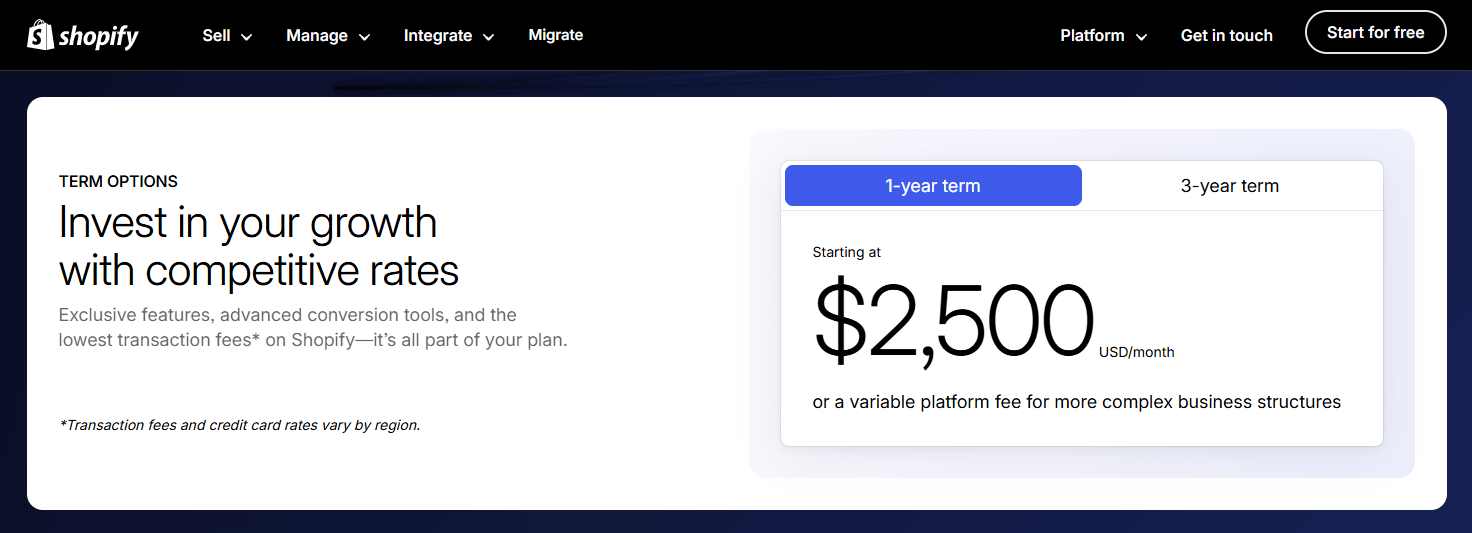
So from a subscription perspective, your baseline annual platform investment starts at roughly: $27,000+ per year.
This covers the platform itself but does not include implementation, integrations, or operational expenses.
Transaction Fees
Another major part of Shopify B2B pricing is payment processing and transaction fees.
When using Shopify Payments, Shopify Plus merchants typically pay around 2.15% + $0.30 per transaction.
If you use a third-party payment gateway instead of Shopify Payments, Shopify usually applies an additional ~0.15% platform transaction fee.
At first glance, the difference between plans may look small. However, for B2B businesses with large order values, even a small percentage can make a meaningful impact.
For example:
- $1M annual B2B revenue
- 0.25% fee difference
- ~ $2,500 additional cost per year
This is one reason high-revenue B2B merchants eventually consider Shopify Plus, since lower transaction fees can help offset the platform subscription over time.
Setup & Implementation Cost
Even though B2B tools are built in, they are not fully pre-configured for your business.
Implementation often includes:
- Theme adjustments for B2B
- Company account configuration
- Catalog segmentation
- Data migration
- Testing and QA
For businesses with simple wholesale models, setup may be relatively straightforward. However, merchants migrating from another platform or managing complex pricing structures may require additional development work or professional Shopify setup services.
Apps and Other Operational Costs
Although Shopify Plus provides built-in B2B functionality, most merchants still use additional apps and integrations to support specific business processes.
For example, B2B stores may rely on apps for:
- Advanced quoting or negotiation workflows
- Shipping and logistics management
- Product configuration or bundles
- Marketing automation
- CRM
These tools extend Shopify’s capabilities and help merchants adapt the platform to their unique operational needs.
In addition to apps, some businesses also invest in ERP, accounting, or CRM integrations to automate processes such as invoicing, inventory syncing, or order management.
Because every B2B operation is different, the cost of these tools varies depending on how complex the workflow becomes.
💡 What You’re Really Paying for With Plus
When you step back, Shopify Plus isn’t just about features. You’re paying for:
- Centralized B2B structure
- Scalability
- Higher API limits
- Enterprise infrastructure
- Reduced dependency on multiple third-party layers
For some businesses, that stability justifies the cost. For others, it may be more than they currently need.
Shopify B2B on Non-Plus Plans: What Does It Really Cost?
If Shopify Plus feels like a big jump, you’re not alone. Many merchants start their B2B journey on Shopify Basic, Shopify, or Advanced plans.
The key difference is simple:
You’re not enabling a built-in B2B system. Instead, you’re building B2B functionality using apps and customized workflows.
Because of that, the pricing structure works differently compared to Shopify Plus.
Monthly Platform Cost
On a non-Plus setup, your base cost is the Shopify plan itself.
Most merchants who want to run B2B without Shopify Plus choose Shopify Advanced, mainly because it offers stronger reporting and lower transaction fees compared to lower-tier plans.
As of 2026, Shopify Advanced typically costs:
- Around $399 per month (monthly billing)
- Slightly lower if paid annually
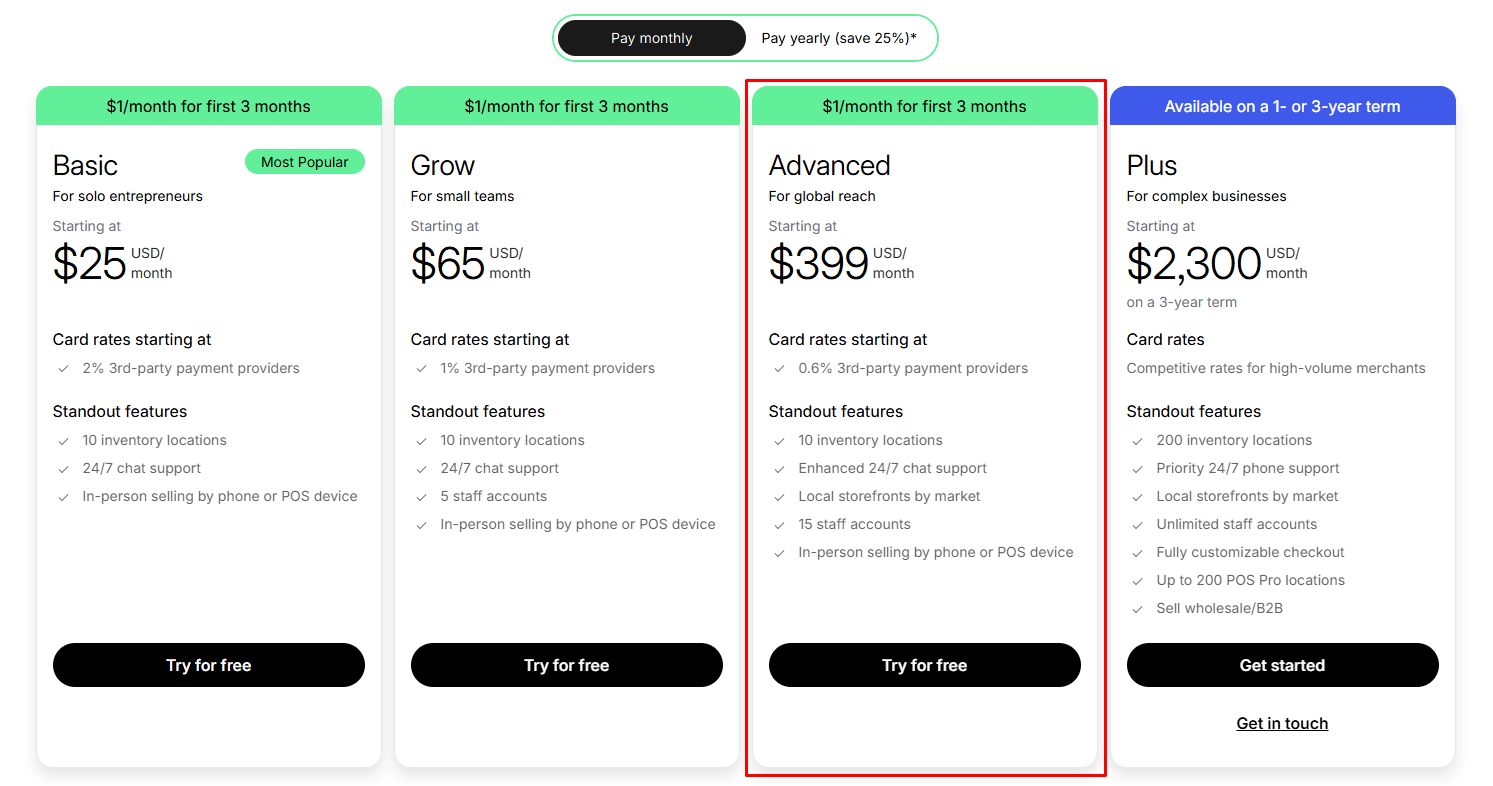
This means the baseline annual platform investment is roughly ~$4,800 per year.
That’s a significant difference compared to ~$2,300 per month for Shopify Plus.
Read more: Advanced Shopify vs Shopify Plus: Which is the better one?
Transaction Fees
When using Shopify Payments, merchants on Shopify Advanced typically pay around 2.4% + $0.30 per transaction.
If a merchant uses a third-party payment gateway, Shopify usually applies an additional ~0.5% platform transaction fee.
App Stack Cost
Because non-Plus plans do not include built-in B2B tools, merchants rely on apps to recreate the key capabilities of a B2B store.
Common B2B requirements include:
- Customer-specific pricing or wholesale discounts
- Hiding prices from non-approved customers
- Quote request workflows instead of direct checkout
- Minimum order quantities or order rules
- Customer account approval systems
Most Shopify B2B apps for beginners cost around $10–$40 per month. Merchants often start with one or two apps to test wholesale demand.
If you’re just getting started, you can begin with our free solutions such as:
- SP Hide Price & Access Control – allows merchants to hide prices or restrict purchasing access for guests or retail customers.
- SP Request a Quote (RFQ) – enables B2B buyers to submit quote requests instead of purchasing directly.
These tools make it possible to launch a basic B2B workflow without upgrading to Shopify Plus.
However, as your B2B operation grows, you may need additional tools for pricing management, order rules, account management, and workflow automation.
As a result, the average B2B app stack for many stores typically ranges between $100–$200 per month.
If you want a full walkthrough of this approach, you can also read our guide on how to run Shopify B2B without Shopify Plus.
Other Costs to Consider
Unlike Shopify Plus, which provides centralized B2B architecture, non-Plus requires configuration across multiple systems.
In addition to installing apps, merchants may also need to:
- Adjusting theme templates for wholesale flows
- Testing layered pricing rules
- Customize checkout behavior
- Configure account approval workflows
The complexity depends on your requirements.
It’s also important to consider ongoing maintenance. Launching a Shopify B2B store is only the first step — merchants must continue maintaining apps, monitoring integrations, and ensuring the system runs smoothly as the business grows.
💡 What You’re Really Paying for Without Shopify Plus
With a non-Plus approach, you’re paying for:
- Lower platform cost
- Flexible B2B setup using apps
- A growing app stack
- Slightly higher transaction fees
Shopify B2B Pricing with Plus vs Non-Plus: Which Is Cheaper?
Now that we’ve broken down the cost structure of both approaches, the natural question is:
Which option is actually cheaper?
The answer depends on more than just the monthly subscription.
Platform fees, transaction costs, apps, and operational complexity all contribute to the real cost of running B2B on Shopify.
Here’s a simplified comparison.
| Expense | Shopify Plus (Native B2B) | Shopify Advanced + Apps |
|---|---|---|
| Monthly Subscription | $2,300 – $2,500 | $299 - $399 |
| B2B Functionality | $0 (native/included) | $100 – $200 (Avg. App Stack) |
| Transaction Fees | 2.15% + 30¢ | 2.4% + 30¢ |
| Setup Complexity | Low (Out of the box) | Medium (Layering multiple apps) |
| Total Starting Monthly | ~$2,300 | ~$500 – $600/month |
At first glance, the non-Plus approach appears significantly cheaper. However, cost is only one side of the equation.
A more useful question is: Which option fits the complexity and scale of your B2B operation?
Shopify Plus Is Worth It If:
- B2B is a major revenue channel
- You need structured company management
- Payment terms and credit management are critical
- You want long-term scalability without stacking multiple apps
- Your operations team needs stability and centralization
Non-Plus Setup May Be Enough If:
- You are testing wholesale demand
- Pricing rules are relatively simple
- B2B revenue is still small
- You’re comfortable managing multiple apps
- You don’t need deep account hierarchy logic
There is no universal “better” option. It depends on scale and operational needs.
Final Thoughts
When merchants search for Shopify B2B pricing, they’re often hoping for one clear number. And yes — Shopify Plus starts at roughly $2,000–$2,300 per month, with native B2B features included at no extra charge.
But the true cost of running B2B on Shopify depends on more than the subscription. Setup effort, system integrations, pricing complexity, and internal workflows all shape the final investment.
For some businesses, Shopify Plus provides the structure and stability needed to support serious B2B operations. For others, a non-Plus setup offers a more flexible and cost-efficient starting point, especially in the early stages.
The best choice isn’t about picking the cheapest plan. It’s about choosing the model that fits your operations today, and won’t break when your B2B channel grows.